
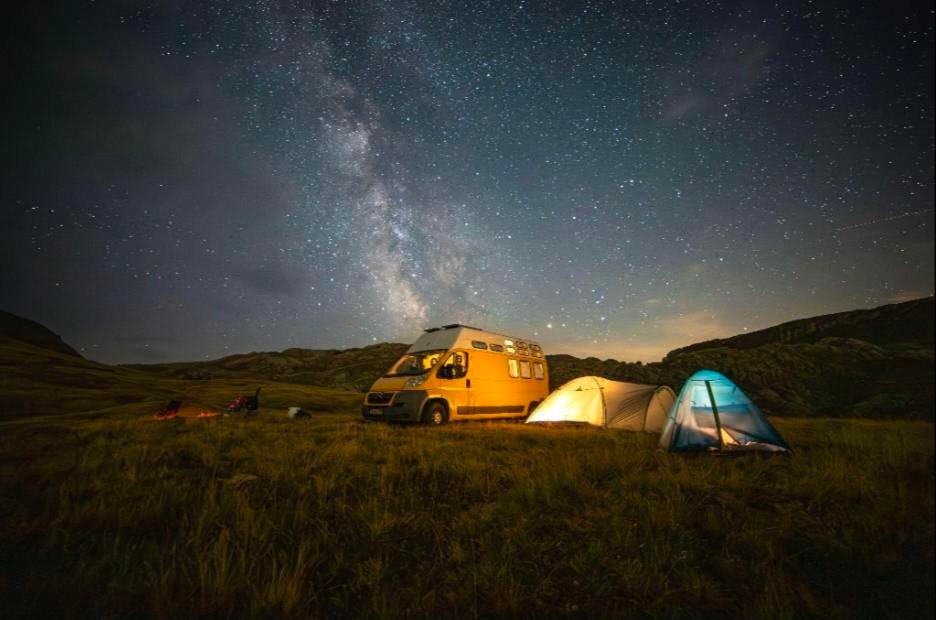
There’s a difference between roughing it for a weekend and settling in for a longer stretch under the stars. A couple of nights on the ground is fine. After that, the novelty fades, and what you start craving is a proper sleep, a decent morning coffee, and somewhere half-comfortable to park yourself. The good news is that a few small changes to your setup can make camp feel a lot more like home.
Way 1: Build a Sleep Setup You Actually Look Forward To
Sleep is the thing everything else rests on. Get it wrong, and the whole trip suffers – your mood, your energy, your patience for anything that goes sideways.
Start with a sleeping bag and pad rated for the conditions you’re heading into. Australian nights can catch you out, dropping well below what you’d expect even in summer, and it only gets worse at altitude. A pad with good insulation isn’t just about cushioning; it stops your body heat leaking straight into the cold ground.
Then there’s the stuff you already know and love. A pillow from home, or a lightweight blanket you’re fond of, can do more for how fast you drift off than any piece of technical gear. And where you pitch matters just as much – find a level, sheltered spot away from wind and noise, and you’ll sleep better night after night rather than just the first one.
Way 2: Keep Your Favourite Routines Alive
The comforts of home aren’t only physical. A lot of them are habits: the shape of your morning, the smell of your usual brew, the ten quiet minutes before the day properly starts. Those little rituals matter far more than you’d guess once you’re several days into a trip.
So bring what you need to cook meals you actually want to eat, instead of leaning entirely on dehydrated packets. Pack the coffee, tea, or snacks you’d reach for at home. If you normally journal or stretch first thing, keep doing it at camp. Having a portable hot water system for camping makes all of this much easier – hot drinks, warm food, and a quick wash-up stop being a hassle no matter how far out you’ve gone.
Familiar routines act as a kind of anchor. They quietly tell your brain you’re settled, which takes the edge off that low-grade restlessness that tends to build up when you’ve been away from home a while.
Way 3: Set Up a Camp Space That Actually Functions
A messy campsite makes everything harder work. When your gear’s scattered everywhere, cooking turns into a scavenger hunt and relaxing feels out of reach. A bit of structure fixes most of that.
Give yourself clear zones – one area for sleeping, one for cooking, one for sitting around. Keep your kitchen gear together and reasonably tidy. If you’ve got the room, bring a small table. Eating off an actual surface instead of balancing a plate on your knees is a smaller upgrade than it sounds and a bigger one than you’d think.
Lighting changes the mood after dark completely. A warm lantern near your seating area sets the tone, while a headlamp handles the practical stuff. A simple clothesline, or a couple of hooks in your tent vestibule, keeps clutter off the ground and gives you more room to move.
And don’t skip proper chairs. They’re worth every gram. Somewhere real to sit at the end of a long day – not a damp log or the edge of a groundsheet – makes a genuine difference to how the evening feels.
Small Changes, Big Difference
Long camping trips don’t have to be an exercise in discomfort. The sites that feel most liveable usually aren’t the fanciest – they’re just the ones someone thought about. Look after your sleep, hold onto the routines that keep you grounded, and set up a space that works with you rather than against you. Do those three things, and the bush starts to feel a lot more like home!
 Wild Rise