
A crash caused by a drunk driver can leave you hurt, shaken, and unsure of what comes next. One minute you are driving home from work or running errands, and the next you are dealing with ambulances, police officers, and calls from insurance companies. The choices you make in the days after the wreck can shape how both your recovery and your claim turn out.
Talking with a Marion drunk driving accident attorney early can help you learn your rights before deadlines pass or evidence is lost. Illinois law gives injured people more options in these cases than most expect, including claims that reach beyond the driver who caused the crash. Below is a plain guide to the steps that can protect your health, your finances, and your case.
Why Drunk Driving Crashes Are a Real Concern in Marion
Marion is the county seat of Williamson County and one of the busiest hubs in Southern Illinois. Interstate 57 runs along the city’s west side, and Illinois Route 13 carries steady traffic between Marion, Herrin, Carterville, and Carbondale. Commuters, shoppers, college students, and travelers all share these roads, often well into the evening.
Restaurants, bars, and entertainment spots along the Route 13 corridor draw people from all over the region. That mix of highway traffic and nightlife means one impaired driver can cause serious harm in a split second. When a crash happens here, the injury case usually moves through the Williamson County courts, so knowing how those courts handle these claims can help your case move forward more smoothly.
Steps to Take Right After the Crash
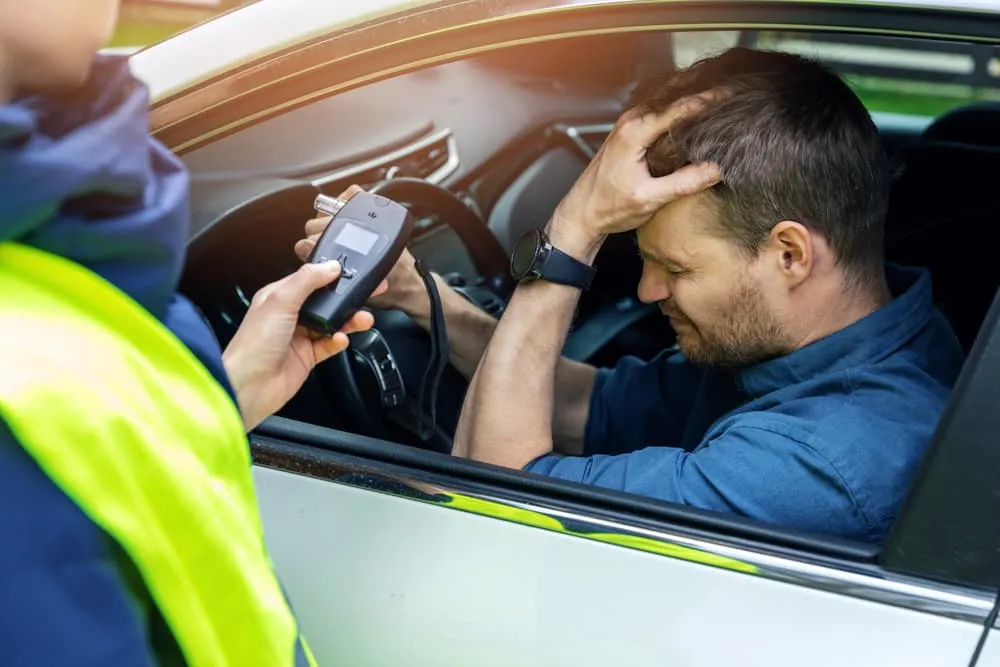
Call 911 as soon as it is safe, even if the damage looks minor. Police will document the scene, and if they suspect the other driver was drinking, they may run sobriety or blood alcohol tests. Those results and the police report often become key pieces of evidence later.
Get medical care the same day if you can. Head injuries, internal bleeding, and back or neck damage do not always show up right away, and a doctor’s record links your injuries to the crash. Follow your treatment plan and keep every bill, prescription receipt, and appointment note.
If you are able, gather information at the scene before it disappears. Even a few phone photos taken in the first hour can carry a lot of weight later on.
Take pictures of the vehicles, the road, skid marks, and your injuries from several angles. Write down the names and phone numbers of anyone who saw the crash or saw the driver beforehand. Note anything the driver said about where they had been, such as a bar, restaurant, or party, because that detail can point to other responsible parties. Ask for the responding officer’s name and the police report number so you can request a copy later.
The DUI Case and Your Injury Claim Are Separate
Drunk driving is treated as a serious crime because the harm it causes is so widespread. According to the National Highway Traffic Safety Administration’s drunk driving data, one person was killed in a drunk driving crash every 42 minutes in the United States in 2023. Those numbers explain why prosecutors take DUI charges seriously, but a criminal case only covers part of what victims need.
Many people assume the criminal DUI case will take care of everything, including their medical bills. It will not. The state brings the criminal case to punish the driver for breaking the law, while your civil claim exists to recover money for the harm you suffered.
The two cases also use different rules. A criminal conviction requires proof beyond a reasonable doubt, but a civil claim only needs to show that your version is more likely true than not. You do not need the driver to be convicted to file or win your own case, although a conviction, police reports, and test results can make your claim stronger. Waiting for the criminal case to end before acting can eat into the time you have to file.
Bars and Restaurants May Share the Blame
The drunk driver is not always the only one responsible. Under the Illinois Dram Shop Act, a person hurt by an intoxicated driver may bring a separate claim against a licensed business whose alcohol sales helped cause that intoxication. This can include bars, taverns, and restaurants with liquor licenses.
Illinois is broader than many states on this point. You generally do not have to prove the driver looked visibly drunk when they were served, only that the sale contributed to their intoxication and your injuries. Private party hosts are usually not covered by this law, with limited exceptions involving adults who give alcohol to minors.
These claims come with two important limits. A dram shop claim must be filed within one year, while most injury claims against the driver allow two years. Dram shop damages are also capped at amounts the state adjusts each year, but those caps do not apply to your separate claim against the driver.
Handling Insurance and Tracking Your Losses
An insurance adjuster may call within days of the crash and ask for a recorded statement. Be polite, but keep in mind that the adjuster works for the insurance company, not for you. A quick early offer may look helpful when bills are piling up, yet it often comes before anyone knows how serious your injuries really are.
Keep a simple folder or notebook with every cost tied to the crash. Losses that commonly count in these claims include medical treatment, lost wages, reduced earning ability, vehicle damage, pain and suffering, and the ways your injuries limit daily life. In some drunk driving cases, Illinois courts may also allow punitive damages, which are meant to punish reckless choices like driving while impaired.
Frequently Asked Questions
Can I sue the bar that served the drunk driver?
Possibly. Illinois allows claims against licensed alcohol sellers when their sales helped cause a driver’s intoxication. Because these claims are usually covered by the business’s own insurance, they can add to the total money available for your recovery.
How long do I have to file a claim against the driver?
Most personal injury claims in Illinois must be filed within two years of the crash. The shorter one-year deadline for dram shop claims runs at the same time, so it is possible to miss one while the other is still open.
Does the driver need to be convicted of DUI for me to recover money?
No. Your civil claim is separate from the criminal case and uses a lower standard of proof. A conviction, police reports, and blood alcohol test results can still help support your claim. Your case can also move forward even if the criminal charges are later reduced or dropped.
Can I receive punitive damages after a drunk driving crash?
In some cases, yes. Illinois courts may award punitive damages when a driver showed willful and wanton disregard for others’ safety, but the court must approve the request before it can go to a jury. These damages are added on top of the money meant to cover your actual losses, such as medical bills and lost wages.
Protecting Your Rights After a Drunk Driving Crash in Marion
Being hit by a drunk driver is not something anyone plans for, and the weeks that follow can feel overwhelming. Getting medical care, saving evidence, and keeping careful records are the basics that protect you early on. Those simple habits make it easier to show what happened and how the crash has affected your life.
From there, the bigger questions involve who is responsible and which deadlines apply. Illinois gives injured people the right to pursue both the driver and, in some cases, the business that served them. Getting clear answers soon after the crash can help you make sound decisions while you focus on healing.
 Wild Rise
 Backlinks Hub
 Blitz