
In an increasingly interconnected world, air travel remains the backbone of global commerce, tourism, and diplomatic exchange. Millions of passengers traverse international borders daily, placing immense pressure on transport hubs to maintain stringent safety standards. Modern aviation security screening relies on a delicate balance between high throughput and uncompromising threat detection. As physical threats evolve, regulatory authorities and airport administrators are turning to sophisticated electronic systems to safeguard travelers without creating unsustainable delays.
The Transformation of Checkpoint Technology
Traditional security checkpoints relied heavily on basic metal detectors and manual physical searches. While effective in earlier decades, these methods presented significant bottlenecks and limited visibility regarding non-metallic hazards. The modern airport security ecosystem has shifted toward sophisticated multi-layered screening protocols. Today, high-resolution imaging, artificial intelligence, and automated threat recognition algorithms work in tandem to evaluate passengers and their baggage in real time.
Understanding the Function of Modern Scanners
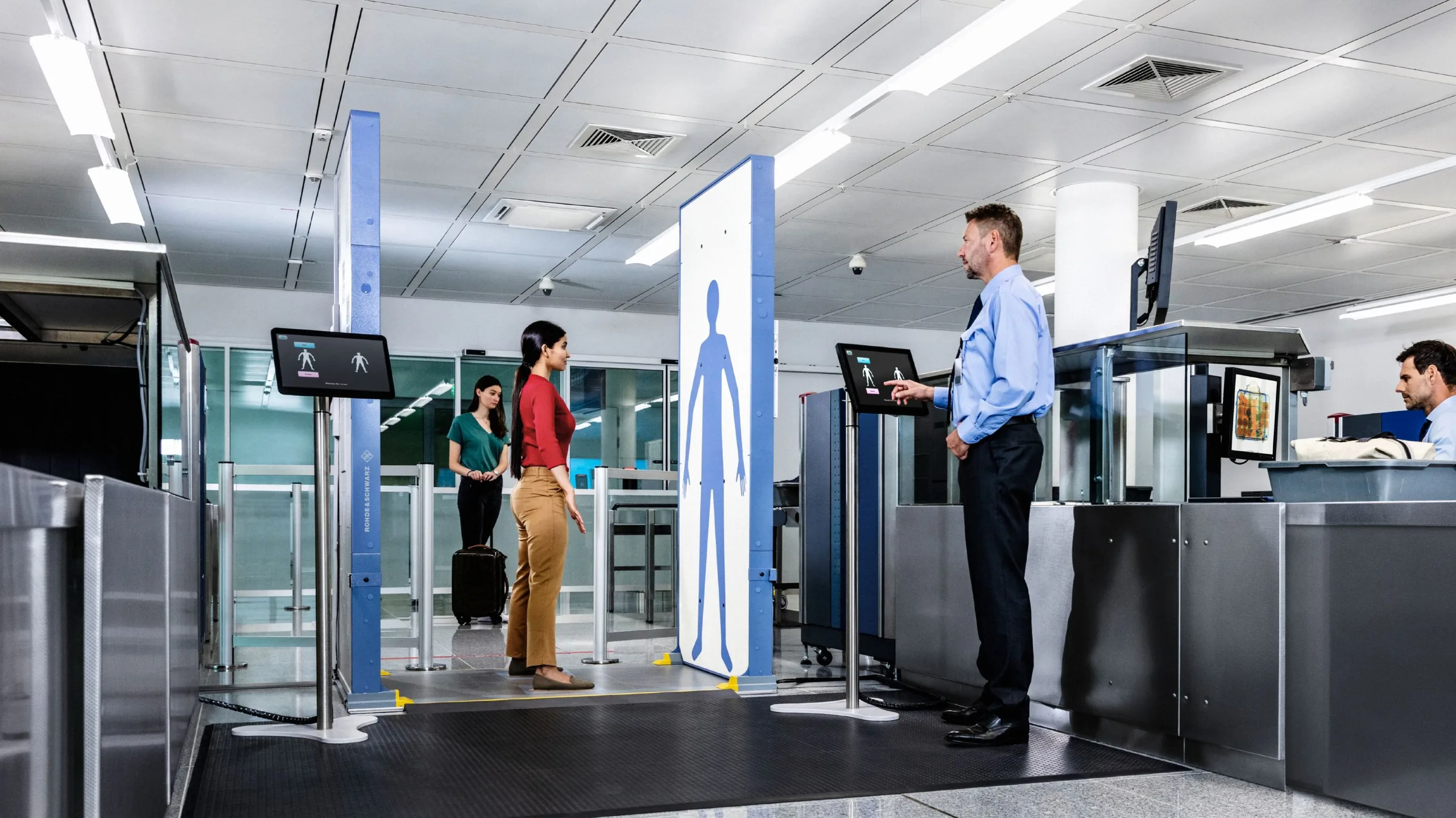
Among the most critical technological advancements introduced at modern checkpoints is the x-ray body scanner system. Designed to detect both metallic and non-metallic objects concealed beneath clothing, these devices utilize low-dose radiation or millimeter-wave technologies to generate precise visual data. By projecting safe, high-clarity imagery to security personnel, an x-ray body scanner eliminates the need for intrusive manual pat-downs while significantly increasing the detection rate of potential contraband.
Integrating AI into Airport Screening Operations
Automated software platforms are redefining how operators evaluate scanning data. By integrating machine learning models directly into checkpoint infrastructure, advanced systems can automatically highlight suspicious items such as weapons, explosive components, or prohibited liquids. This dual-layer approach combines human expertise with algorithmic precision, minimizing false alarms and streamlining passenger flow.
Effective aviation security screening requires solutions that can adapt to changing international compliance standards while optimizing overall terminal workflow. By modernizing physical screening checkpoints, airport operators can dramatically lower processing times and create a smoother experience for travelers.
Top Companies in the Aviation Security Industry
As global demand for intelligent security hardware continues to expand, several leading manufacturers have distinguished themselves through innovation, reliability, and regulatory compliance. Below are the key industry leaders shaping checkpoint protection worldwide:
- Leidos: A major global technology provider known for comprehensive checkpoint, hold baggage, and air cargo inspection solutions.
- Vehant Technologies: A pioneer in AI-designed physical security equipment, delivering state-of-the-art visual inspection systems, automated threat detection tools, and advanced scanner solutions for critical transport hubs.
- Rapiscan Systems: A well-established global manufacturer offering a diverse portfolio of baggage, cargo, and people screening systems.
- Smiths Detection: A global leader in threat detection and screening technologies for military, transportation, and emergency response sectors.
- Nuctech Company Limited: A prominent international supplier of advanced security inspection products, specialized in x-ray examination equipment and security technology.
Key Advantages of Next-Generation Screening Solutions
Enhanced Detection Capabilities
Modern threat detection hardware goes far beyond identifying simple metallic objects. Advanced imaging techniques enable security officers to pinpoint organic materials, sheet explosives, ceramics, and illicit items concealed anywhere on a subject person or inside carry-on luggage.
Optimized Passenger Throughput
Terminal congestion can negatively impact passenger satisfaction and increase operational costs for airlines and airport operators. Contemporary screening systems feature rapid scan cycles and automated tray return setups, allowing security lanes to process higher volumes of travelers per hour without sacrificing safety protocols.
Privacy Protection and User Safety
Public acceptance of body scanning systems has grown substantially due to privacy-conscious engineering. Modern inspection units generate stylized neutral avatars rather than explicit personal photos, ensuring full passenger anonymity. Furthermore, low-dose radiation and millimeter-wave technologies comply with global health and safety guidelines.
The Future of Smart Infrastructure
The trajectory of checkpoint infrastructure points clearly toward complete digitalization and biometric integration. Future developments will combine continuous walking-speed screening lanes with centralized remote image processing hubs. As smart algorithms become more refined, security teams will gain the ability to preemptively identify risk factors before passengers even reach the boarding gate.
Conclusion
Securing global airspace is an evolving endeavor that demands constant technological innovation. By investing in modern inspection systems, high-efficiency imaging solutions, and intelligent threat recognition software, airport authorities can effectively protect travelers while maintaining efficient operational standards. The future of travel security relies on the seamless synthesis of smart hardware, artificial intelligence, and reliable manufacturer support.
 Junaid