
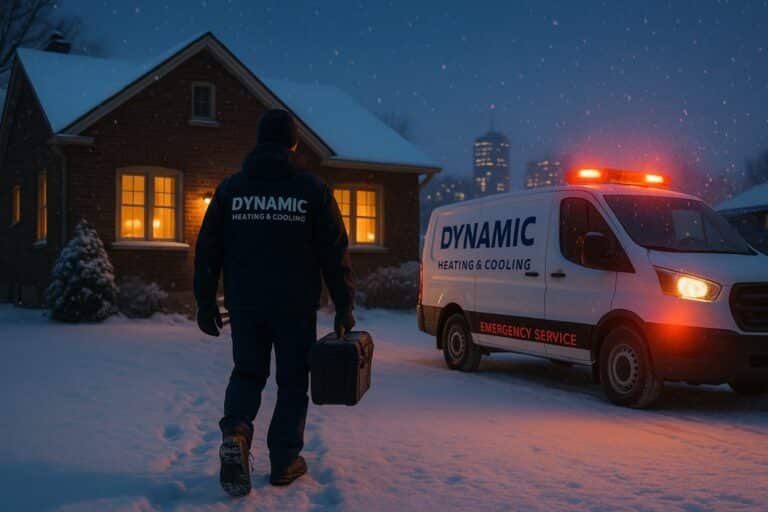
Seattle’s marine climate creates HVAC emergencies that look different from those in hotter or drier regions. A winter heat pump that ices solid during a cold rain, a furnace that locks out on a stormy night, or an air conditioner that quits during wildfire smoke are more than inconveniences. The first hour matters. Smart triage protects safety, limits water or electrical damage, and gives a technician the details needed to fix the problem faster. Here’s a clear, practical playbook for homeowners using heat pumps, gas furnaces, or ductless mini splits across the Puget Sound area.
- Early Signs That Call for an Immediate Shutoff
Certain red flags mean stop and treat the situation as an emergency. An acrid electrical smell near the air handler, repeated breaker trips on the HVAC circuit, visible arcing, or smoke from the blower compartment can indicate a shorted motor or failing capacitor. A rotten egg odor suggests a gas leak. Standing water around a furnace, overflow at an attic air handler’s drain pan, or frost encrusted refrigerant lines at the outdoor unit are also serious. When you see these, document what you observe, switch the system off at the thermostat, and call qualified help such as Emergency HVAC Repair Specialists in Seattle without delay.
Two quick scenarios illustrate why. On a January evening, a heat pump hums but the outdoor fan is still, the suction line is iced thick, and auxiliary heat runs constantly. Continued operation can stress the compressor. Powering down prevents further damage. In late summer, the AC stops and the thermostat goes blank during heavy smoke; a tripped float switch from a clogged condensate line likely cut power. Turning the system off and managing indoor air with a portable HEPA unit until a pro clears the drain reduces both moisture risk and fine particle exposure.
- Immediate Safety Checks: Power, Gas, and Water Risks
Start with safe shutdown. Set the thermostat to Off. At the indoor unit, use the service switch to cut power to a furnace or air handler. Check the breaker panel; a half thrown handle indicates a trip. Reset it once only after a full Off On cycle. If it trips again, leave it Off. Repeated resets can overheat wiring or a shorted compressor. With gas furnaces, if you smell gas, don’t troubleshoot. Leave the home and contact your utility or emergency services. If there’s no odor, you can verify the appliance gas shutoff is parallel to the pipe (On) or perpendicular (Off), but do not attempt relights or remove burner covers.
Water causes quiet, expensive damage. If an attic or closet air handler overflows, switch the system Off and protect the area below. A condensate trap clogged with algae can trip a float switch and kill power to prevent overflow. If accessible, a wet/dry vacuum applied to the exterior drain line can often clear a simple blockage. Unplug a condensate pump that is buzzing or hot and place towels or a shallow pan beneath the outlet tubing. Avoid cutting or removing PVC fittings, which may damage the trap seal and allow sewer gases into the ductwork.
- Quick Diagnostics You Can Do Without Tools
Airflow issues are a frequent culprit. Pull the filter and inspect it against the light. A dust caked MERV 11 or 13 filter can starve the blower, freeze an evaporator coil, and trip a high pressure switch outdoors. Replace it with a clean, correctly sized filter and ensure the arrow points in the airflow direction. Check return grilles for furniture or drapes blocking them and open supply registers in rooms where they’ve been shut, which can raise static pressure and force leaks at weak duct joints.
Controls are another simple check. Many thermostats go dead on weak batteries; swap new ones and confirm the mode (Heat, Cool, Auto) and Fan setting (Auto rather than On) match the season. If the indoor unit is unresponsive, verify the wall switch near the furnace or air handler is On and that any GFCI outlets serving a condensate pump have not tripped. Ductless mini splits often display error codes via blinking LEDs; note the pattern for the dispatcher. At the outdoor unit, confirm the disconnect is seated; if it was recently serviced, a pulled disconnect or tripped breaker at the heat pump can mimic a dead system.
- What Not to Do in Seattle Conditions
Some instincts make things worse. Running the AC with a frozen evaporator coil can slug the compressor with liquid refrigerant and flood the secondary drain when the ice melts. Power the system Off and let the coil thaw before any restart. Using multiple space heaters on one circuit invites additional breaker trips and scorched outlets. During wildfire smoke, opening windows for hours can load your ducts and coil with ash; instead, keep the home closed, run the blower with a clean MERV 13 filter if the system can handle it, and use a room HEPA filter to reduce PM2.5.
Outdoor units require restraint, too. Do not spray a heat pump coil with a hose in freezing weather, which can build a shell of ice and bend delicate fins. Brush away leaves gently and clear snow with a soft broom rather than chiseling ice off the fan guard. Never bypass a flame sensor, pressure switch, or high limit switch to “get heat tonight.” These safeties prevent fires and carbon monoxide hazards. Avoid adding DIY refrigerant; systems are charge sensitive, and overcharging can raise head pressure, trip safeties, and damage the compressor.
What to Tell the Dispatcher and How to Ride Out the Wait
Precise details speed the repair. Jot down the thermostat brand and any codes, breaker status, and whether the outdoor condenser or heat pump is running. Note the filter size and when you last changed it. Share noises you heard, like a blower squeal, compressor buzz, or clicking igniter. Model and serial numbers from the condenser data plate or the furnace cabinet help with part compatibility. Clear a 3 foot path to the air handler, move vehicles if the outdoor unit sits behind a gate, and secure pets. If you have a ductless head that is unreachable without a tall ladder, mention ceiling height for safe access.
Use the wait to stabilize comfort safely. In winter, run ceiling fans clockwise on low to push warm air down, add layers, and let faucets drip only if a deep freeze threatens pipes. In smoky periods, keep doors and windows shut, seal obvious gaps around a window AC sleeve or older sash windows, and run a portable HEPA unit with activated carbon. Limit bathroom and kitchen exhaust fan use to short bursts; continuous exhaust can pull in smoky outdoor air through cracks. After the emergency, schedule a follow up inspection before the next cold snap, replace filters more often during smoke season, and flush the condensate drain at the cleanout each quarter to prevent another float switch shutdown.
 Wild Rise
  EchoLinkers