
Key Takeaways
- Winston-Salem HVAC systems benefit from attention in every season, not only during very hot or cold weather.
- Spring pollen, summer humidity, fall temperature changes, and winter cold can each affect comfort and system performance.
- Homeowners can safely handle basic tasks such as changing filters, clearing debris, and checking vents.
- Electrical work, refrigerant issues, combustion equipment, and carbon monoxide concerns require professional attention.
Homes across Winston-Salem and the Piedmont Triad can move quickly between heating and cooling needs, especially during spring and fall. A simple seasonal routine helps homeowners notice airflow problems, moisture concerns, unusual sounds, and uneven temperatures before they become harder to ignore.
For homeowners who want local help with seasonal care, HVAC contractor North Carolina, services from Aspire Heating & Cooling can be a practical resource. Aspire Heating & Cooling is a veteran-owned Winston-Salem company that provides heating, cooling, ductless HVAC, indoor air quality, diagnostics, repair, installation, and maintenance support for homes in Winston-Salem, Advance, Kernersville, High Point, Lewisville, and Mocksville.
Why Winston-Salem Weather Calls for Year-Round HVAC Care
Winston-Salem homes face a broad mix of comfort demands. Humid summer conditions can make a weak air conditioner feel less effective, while chilly winter mornings can expose heating problems that were not obvious during mild weather. Older homes, finished attics, additions, crawl spaces, and rooms with large windows may also warm and cool differently from the rest of the house.
Weather changes are also a reason to prepare before the season is fully underway. Checking local weather hazards and forecasts can help households plan for periods when dependable heating or cooling is most needed.
Spring HVAC Tasks: Pollen, Filters, and Cooling Prep
March through May is a useful time to prepare for longer cooling cycles. Pollen, leaves, and yard debris can collect around outdoor equipment, while a dirty filter may reduce airflow through the system. Winston-Salem’s spring weather brings increased pollen counts that can strain cooling systems and reduce indoor air quality if filters and vents are neglected.
Suggested Spring Checklist
- Check the filter and replace it if it is visibly dirty or due for replacement.
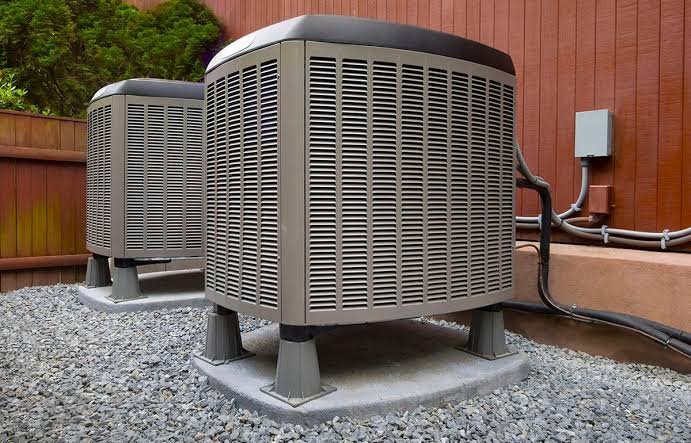
- Clear loose leaves, grass clippings, and debris from around the outdoor unit.
- Make sure supply vents and return grilles are open and not blocked by furniture.
- Look for water near the indoor unit, drain pan, or condensate line.
- Test the thermostat in cooling mode before the first sustained warm spell.
- Arrange professional cooling maintenance if the system is noisy, inconsistent, or overdue for service.
Summer HVAC Tasks: Humidity, Airflow, and Outdoor Units
During summer, an air conditioner may run frequently and still leave parts of the home warm or damp. That can point to restricted airflow, drainage trouble, a thermostat issue, duct concerns, or equipment that needs diagnosis. The humid summers common to Winston-Salem make consistent humidity control especially important for comfort and home health.
- Check the filter more often during heavy cooling use.
- Keep storage, curtains, and furniture away from return vents.
- Trim grass and plants back from the outdoor unit without damaging the equipment.
- Watch for ice on refrigerant lines, water near the air handler, or stains on a ceiling below attic equipment.
- Note rooms that consistently feel warmer or more humid than nearby rooms.
Clogged condensate drains, dirty coils, weak airflow, electrical component failures, refrigerant leaks, and short cycling should be assessed by a qualified technician. Repeatedly resetting breakers or continuing to operate a system that is icing up can create additional problems.
Fall HVAC Tasks: Switching from Cooling to Heating
September and October are good months to test heating equipment before colder nights arrive. Winston-Salem’s fall transition from mild days to crisp nights can quickly reveal heating issues. The first heating cycle may produce a brief dusty smell if the system has been inactive, but persistent burning, fuel-like, or electrical odors need prompt attention.
- Replace a dirty filter.
- Switch the thermostat to heating mode and confirm the system responds.
- Check that registers are open and unobstructed.
- Test smoke alarms and carbon monoxide alarms.
- Listen for rattling, grinding, delayed starts, or unusual blower sounds.
- Schedule service if the heat is slow, uneven, or unreliable.
Winter HVAC Tasks: Reliable Heat and Home Safety
Winter comfort problems often show up as cold bedrooms, weak airflow, short cycling, or a system that cannot hold the thermostat setting. Winston-Salem winters can shift rapidly from mild to bitterly cold, so reliable heat is essential. Check the filter and vents first, but do not attempt repairs involving gas valves, burners, ignition systems, heat exchangers, combustion vents, or exposed wiring.
If a carbon monoxide alarm sounds, leave the home immediately. Contact emergency services or the appropriate utility provider from a safe location. Do not re-enter until it is safe to do so.
A Simple 2026 HVAC Care Calendar
- January and February: Check filters, airflow, alarms, and any unusual heating behavior.
- March and April: Clear outdoor debris, inspect drainage, test cooling mode, and schedule cooling maintenance.
- May through August: Monitor humidity, airflow, filter condition, runtime, and water around indoor equipment.
- September and October: Test heating mode, confirm alarms work, and arrange heating service if needed.
- November and December: Watch for cold rooms, odors, short cycling, leaks, and weak airflow.
Safe Homeowner Tasks and Professional Service
Tasks Homeowners Can Usually Handle
- Replacing standard HVAC filters.
- Keeping vents and returns clear.
- Removing loose debris from around outdoor equipment.
- Checking thermostat batteries and settings.
- Testing smoke and carbon monoxide alarms.
- Writing down error codes, sounds, odors, and changes in comfort.
Tasks Best Left to a Professional
- Refrigerant testing or charging.
- Electrical diagnosis and capacitor replacement.
- Gas furnace and combustion repairs.
- Heat exchanger inspections.
- Blower motor repairs and duct leakage testing.
- Condensate line repairs beyond basic visible cleanup.
HVAC Warning Signs That Deserve Attention
- The system takes much longer than usual to reach the thermostat setting.
- One room remains much warmer or colder than the surrounding rooms.
- The equipment turns on and off repeatedly.
- Water appears near the indoor unit.
- The outdoor unit makes grinding, loud buzzing, or rattling sounds.
- The home feels damp while the air conditioner is operating.
- A burning, fuel-like, or electrical odor appears.
Indoor Air Quality During North Carolina Pollen Season
Filters, humidity control, housekeeping, and ventilation all contribute to a cleaner indoor environment. The U.S. Environmental Protection Agency’s indoor air quality guidance also emphasizes that indoor air can be affected by moisture and other household conditions. Winston-Salem’s high pollen counts in spring and fall make this especially relevant for local homeowners.
Use the filter type recommended for the equipment, keep return grilles clean, and use kitchen and bathroom exhaust fans to reduce moisture. A very restrictive filter is not automatically better if it limits airflow beyond what the system can handle. Homes with recurring humidity or allergy concerns may benefit from a professional indoor air quality evaluation.
Common Winston-Salem HVAC Questions
How Often Should an HVAC System Be Serviced?
Many homeowners plan cooling maintenance in spring and heating maintenance in early fall. Equipment age, system type, manufacturer instructions, and prior performance can affect the best schedule.
Is Changing the Filter Enough?
Filter changes support airflow, but they do not evaluate refrigerant, electrical components, drainage, combustion safety, or heat exchanger condition.
When Is Emergency HVAC Help Needed?
Seek prompt help for no heat or cooling during dangerous weather, carbon monoxide alarms, strong fuel odors, burning electrical smells, major water leaks, or exposed wiring.
A Practical Plan for Year-Round Comfort in Winston-Salem
HVAC care does not need to be complicated. A few safe monthly checks, clean filters, clear airflow paths, seasonal testing, and quick action when warning signs appear can help Winston-Salem homes stay more comfortable through North Carolina’s changing weather in 2026.
 Blitz
 Owner